


What Are Painting and Microcement Surface Treatments for Furniture?
Oct 16, 2026
Leave a message


Painting and microcement are two different surface treatments used in furniture manufacturing. Both can change the appearance of furniture, but they create different visual effects and require different production processes. Painting offers a wide range of colors and finishes, while microcement creates a cement-like appearance with distinctive surface textures.
For furniture wholesalers, retailers, and importers, understanding these two surface treatments can help when developing new product collections. The final appearance depends not only on the material itself but also on surface preparation, application methods, and quality control during production.
What Is Painting as a Furniture Surface Treatment?
Painting is a common surface treatment in furniture manufacturing. It involves applying paint or a coating to a furniture surface to achieve a specific color, appearance, and level of gloss. Depending on the coating system and production requirements, a painted surface can have a matte, semi-gloss, or high-gloss finish.
For MDF furniture, painting is often used when a product requires a clean, uniform color or a particular finish that cannot be achieved through the natural appearance of the base material. It is suitable for many furniture designs, including dining tables, coffee tables, side tables, and sideboards, provided that the substrate and product structure are suitable for the selected coating system.
-
How is The Painting Process Carried Out?
A good painted finish requires more than simply spraying paint onto a surface. Surface preparation and the finishing process both affect the final result.

First, the surface needs to be prepared.
Before painting, the MDF surface must be properly prepared to provide a suitable base for the coating. The surface should be sufficiently smooth and free from defects that could affect the final appearance. Any uneven areas may become more noticeable after painting, especially when the product has a smooth, solid-color finish.

Next, the appropriate base treatment is applied.
Depending on the coating system, this may involve primer or other preparatory layers. The purpose is to prepare the surface for subsequent coating and help achieve the required finish.

Then comes spraying and sanding.
In furniture production, painting often involves several rounds of spraying and sanding rather than one single application. After a layer is sprayed, the surface may be sanded before the next layer is applied. This process is repeated as needed until the finish reaches the required level of smoothness, fullness, and uniformity.
The number of applications and sanding steps depends on the coating system and the desired result. A finish with specific appearance requirements may need more processing than a simpler finish.
Finally, the painted surface is inspected to check whether its color, gloss level, smoothness, and overall appearance meet the agreed requirements.
-
What Should Buyers Know About Painted Furniture?

When purchasing painted furniture, buyers should pay attention to more than the color shown in a product photo.
The same color can look different under different lighting conditions, and gloss levels can also change how a surface appears. For this reason, confirming a physical sample or an agreed color reference is useful before mass production.
Buyers should also consider the consistency of the finished products. Noticeable differences in color, gloss, or surface quality may affect the appearance of a furniture collection, particularly when several pieces are displayed or sold together.
A well-controlled painting process helps manufacturers achieve the intended appearance, but the final result still depends on the selected materials, production conditions, and agreed quality standards.
What Is Microcement as a Furniture Surface Treatment?
Microcement is a surface treatment that creates a cement-like appearance on furniture. It is often selected for designs that emphasize texture, understated colors, and a modern, industrial, or minimalist look.
Unlike a conventional painted finish, which mainly changes the color and sheen of a surface, microcement places greater emphasis on the visual texture of the finished layer. Depending on the material system and application method, the surface may show subtle variations in color and texture. These variations contribute to its overall appearance.
Microcement can be considered for products such as coffee tables, side tables, dining tables, and sideboards. However, its suitability depends on the specific material system, substrate preparation, product construction, and intended use.
-
How Is Microcement Applied To Furniture?
The application process depends on the microcement system used by the manufacturer. It should not be assumed that every product follows exactly the same procedure.

First, the substrate must be prepared.
When microcement is applied to MDF furniture, the base requires suitable preparation. The manufacturer needs to consider the condition of the substrate, the compatibility of the materials, and the requirements of the complete surface treatment system.
This step is important because the final finish depends not only on the visible top layer but also on the condition and suitability of the layers beneath it.

Next, the microcement material is applied.
The material is applied according to the specified process to develop the required surface appearance. Application methods can influence the resulting texture, so the finish should be evaluated against the intended design and an agreed reference sample.
The desired appearance should be established before mass production. This is particularly important when a furniture collection includes multiple pieces that are expected to have a coordinated look.

After application, the surface may require protective treatment.
Depending on the microcement system, a compatible protective coating or sealer may be part of the finishing process. The specific requirements depend on the materials being used and the intended application.
The complete system should be considered when evaluating the finished product, rather than looking at the microcement layer alone.

Finally, the finished surface is inspected.
Checks may include color, texture, surface condition, and overall consistency with the approved sample. Any cracks, peeling, or other defects that do not meet the agreed product requirements should be evaluated and addressed.
-
What Makes Microcement Different In Appearance?

One of the main features of microcement is its textured, cement-like appearance. Depending on the chosen finish, the surface may have subtle variations that make it look different from a conventional painted surface.
For furniture buyers, this means that the appearance should be evaluated as a complete design feature. The texture, color, shape of the furniture, and surrounding materials all contribute to the final visual effect.
It is also important to understand that a certain degree of visual variation may be part of the intended finish. Instead of expecting every piece to have an identical texture, buyers and manufacturers should agree on an acceptable appearance range through samples and clear quality standards.
Microcement is therefore not simply another way to add color to furniture. It is a surface treatment chosen primarily for the distinctive look and texture it can create.
Painting vs. Microcement: What Are the Main Differences?
Painting and microcement can both be used to develop different furniture designs, but they serve different visual purposes. Understanding these differences helps buyers discuss product specifications with manufacturers more clearly.
|
Comparison Point |
Painting |
Microcement |
|
Main visual effect |
Color and the appearance of the painted finish |
Cement-like appearance and surface texture |
|
Color options |
Can offer a wide range of colors, depending on the coating system |
Color options depend on the material system and application method |
|
Surface appearance |
Can range from matte to high-gloss, depending on the finish |
Usually emphasizes texture and subtle visual variation |
|
Main production focus |
Surface preparation, spraying, sanding, and coating control |
Substrate preparation, material application, and surface protection |
|
Inspection focus |
Color, gloss, smoothness, and visible coating defects |
Color, texture, surface condition, and overall appearance |
|
Design application |
Suitable for many designs requiring specific colors or painted finishes |
Suitable for designs emphasizing a cement-like texture |
The most noticeable difference is the final appearance. Painting is often selected when the design calls for a particular color or a consistent painted finish. Microcement is more suitable when the design depends on the visual character of a cement-like surface.
Their production requirements also differ. A painted finish may require repeated spraying and sanding to achieve the intended surface quality. Microcement requires an application system suitable for the substrate and the desired texture, with appropriate protection where specified.
Neither treatment is automatically better than the other. The right option depends on the product design, the expected appearance, the materials involved, and the manufacturer's ability to achieve the required result.
For wholesalers and retailers, the key is to choose a finish that fits the intended collection and then confirm the details before placing a production order.
Where Can Painting and Microcement Be Used in Furniture?
Both painting and microcement can be considered for different furniture categories, but their suitability depends on the product structure, materials, and desired appearance.

- Painting for Different Furniture Designs
Painting offers flexibility in color selection and surface appearance. It can be used for dining tables, coffee tables, side tables, and sideboards when the product construction and coating system are compatible.
For example, a dining table with a solid-color painted base can create a clean, coordinated look. A painted sideboard can also use the same color as other pieces in a furniture collection to create a consistent design language.
The choice of gloss level can further influence the appearance. A matte finish may create a more understated look, while a higher-gloss finish can produce a different visual effect. The appropriate option depends on the product design and the target market.

- Microcement for Furniture with a Textured Look
Microcement can be considered for furniture designed around a cement-like appearance, particularly coffee tables, side tables, and selected dining tables or sideboards.
For example, a coffee table with a textured microcement finish can become a distinctive feature of a living-room collection. When used across several products, the finish may also help establish a coordinated visual theme.
However, the design must be considered together with the construction. The suitability of microcement depends on the substrate, the material system, and the requirements of the finished product. A surface treatment should not be selected based on appearance alone.
-
Why Does Product Design Matter?
When developing a furniture collection, the surface treatment should work with the overall design rather than being considered separately.
The same finish may look different on a large tabletop, a small side table, or a cabinet front because the shape, surface area, and surrounding components affect how the finish is seen.
For B2B buyers, it is useful to evaluate the finish on the actual product or a representative sample. This makes it easier to judge whether the appearance fits the collection and whether different pieces work well together.
What Should Buyers Check When Choosing These Surface Treatments?
Selecting a furniture surface treatment involves more than choosing a color or texture. Buyers should confirm the expected appearance, understand the production requirements, and establish clear quality standards before mass production.
-
Confirm the Desired Surface Effect
For painted furniture, buyers should confirm the required color, gloss level, and surface smoothness. A color reference or physical sample can help reduce misunderstandings, especially when the product has a specific color requirement.
For microcement furniture, the color and texture should both be considered. Buyers should review the actual surface effect rather than relying only on a written color description or a photograph.
Lighting, photography, and screen settings can affect how a finish appears. A physical sample provides a more useful reference for discussing the intended result.
-
Approve the Sample Before Mass Production
Sample approval is an important step in furniture product development.
The approved sample can serve as a reference for the appearance expected in mass production. For painted products, this may include color, gloss, and surface quality. For microcement products, it may also include the acceptable range of texture and visual variation.
Because microcement finishes can have natural-looking variations, buyers should discuss these characteristics before production begins. This helps both parties understand which differences are acceptable and which would be considered defects.
Clear communication at this stage can reduce disagreements during inspection and help the manufacturer understand the buyer's expectations.
-
Understand the Production Requirements
Different surface treatments may require different materials, processing steps, and finishing methods. These requirements can affect production planning, cost, and lead time.
Buyers should discuss the intended finish with the manufacturer and confirm that the proposed process is suitable for the product. This is particularly important when a surface treatment is being introduced to a new furniture design.
It is also useful to confirm the inspection criteria in advance. When both parties understand the required appearance and quality standards, the production and inspection process becomes easier to manage.
-
Inspect the Finished Products
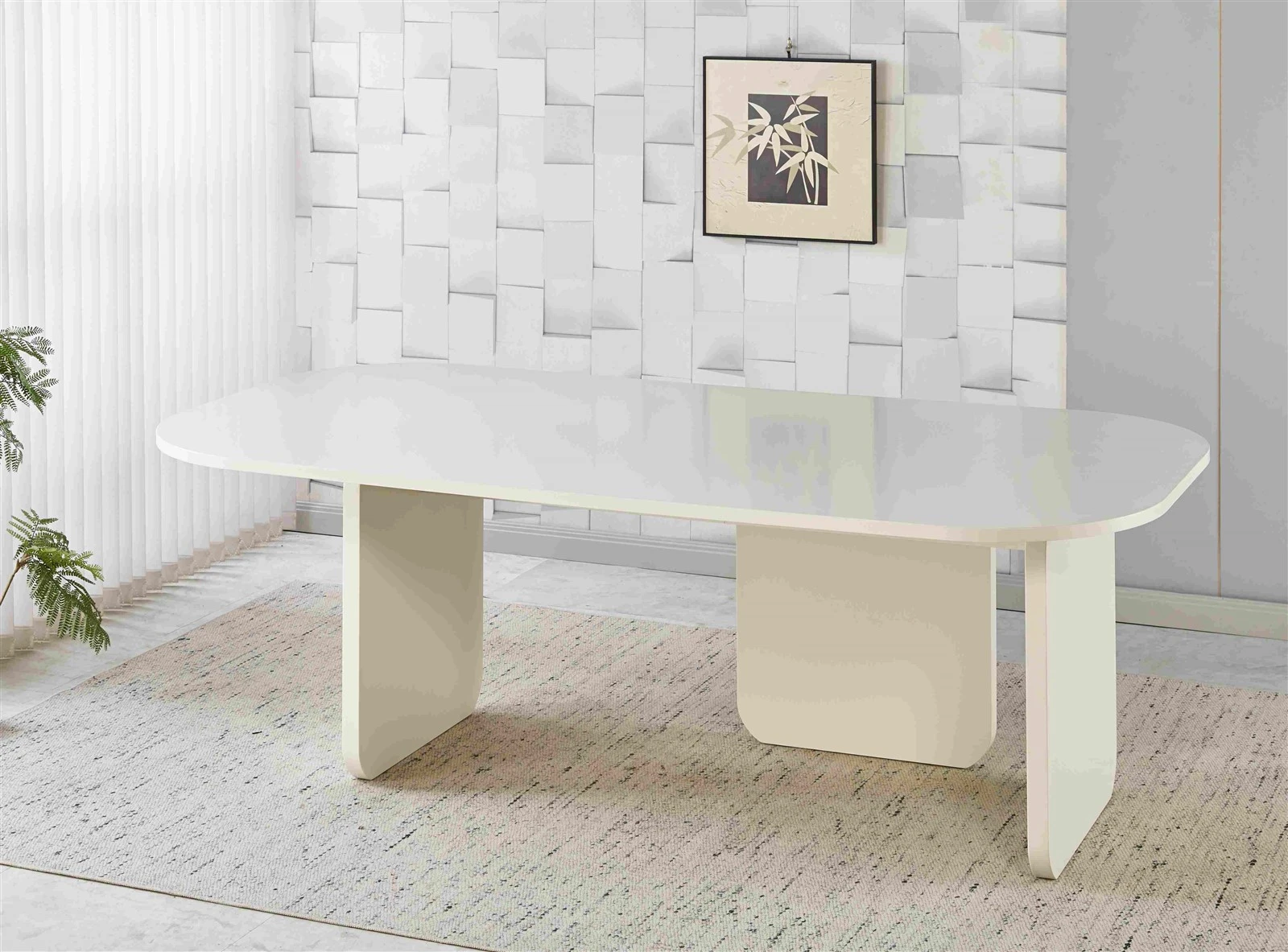
Before shipment, the finished products should be checked against the agreed requirements.
For painted furniture, inspection may focus on color consistency, gloss level, smoothness, and visible coating defects. For microcement furniture, inspection may focus on the intended texture, color, surface condition, and overall appearance.
The exact inspection criteria should reflect the product specifications and the agreed sample. A clear reference makes it easier to identify genuine defects without rejecting acceptable variations that are part of the intended finish.
For importers and wholesalers, these checks help reduce the risk of receiving products that do not match the approved design.
Choosing the Right Surface Treatment for Your Furniture Collection
Painting and microcement offer different ways to develop the appearance of furniture. Painting provides flexibility in color and finish, while microcement creates a cement-like look with distinctive surface texture.
For furniture wholesalers, retailers, and product developers, the choice should depend on the intended design, the target customers, the product structure, and the required production standards.
Before confirming an order, it is worth discussing the desired finish, reviewing samples, and agreeing on the inspection criteria with the manufacturer. These steps help ensure that the finished products match the intended design as closely as possible.
If you are developing a new dining table, coffee table, side table, or sideboard collection, discussing the surface treatment early in the product development process can help you evaluate suitable finishes and clarify the requirements before mass production.